
What happens on an asbestos removal job, step by step
Eight photographs from our own work in Calgary, in the order the job actually runs — from the first sample to the weight ticket. This is what you are paying for.
Most people only ever see the quote and the invoice. Everything in between happens behind a sheet of poly with the door taped shut, which is exactly why the cheap quote and the right quote can look the same on paper. These are our own photographs from jobs in Calgary, in the order the work actually runs. Nothing staged, nothing borrowed.
1. Test first. Nothing is touched until the lab says what it is.
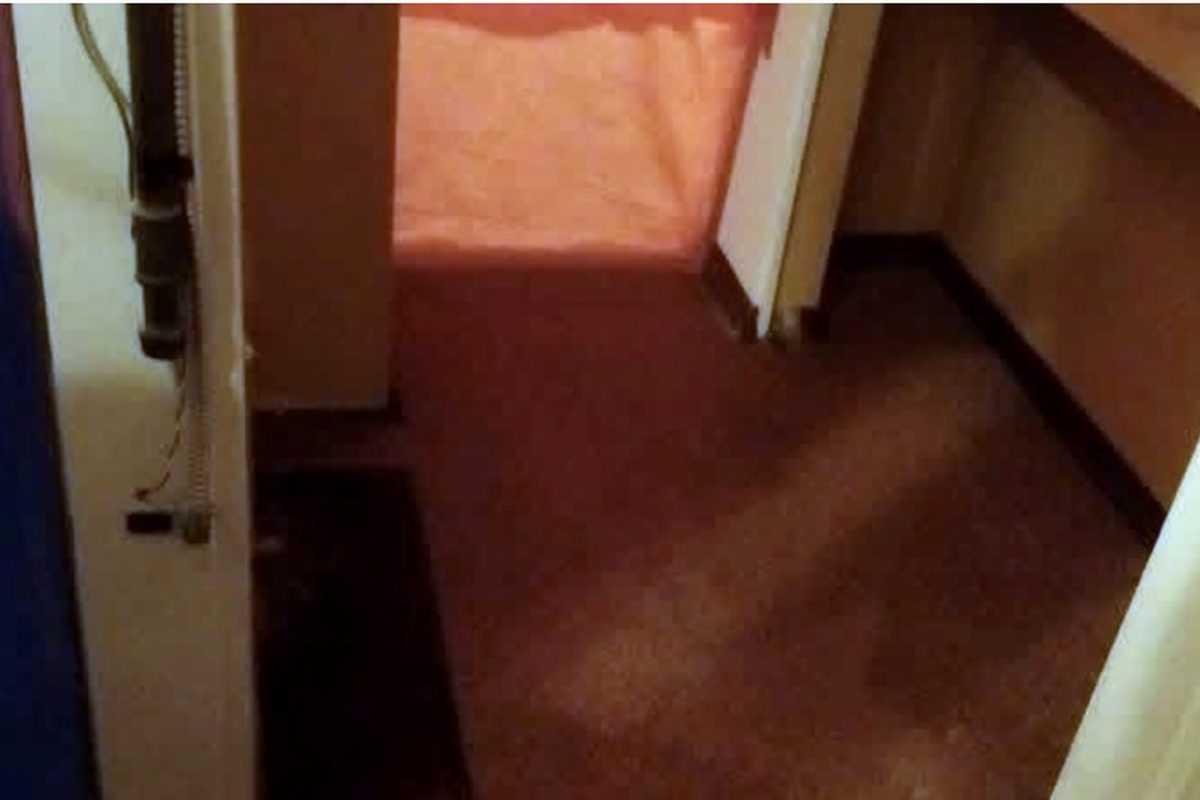
A sampling visit comes first: three samples from different spots of each material, to an accredited laboratory, results in two to five days. What comes back decides the scope. Anything positive is removed under containment; anything clean is a normal renovation. Nobody swings a hammer until the report is in hand, because the moment a positive material is disturbed the whole house is in play.
2. Every opening gets sealed.
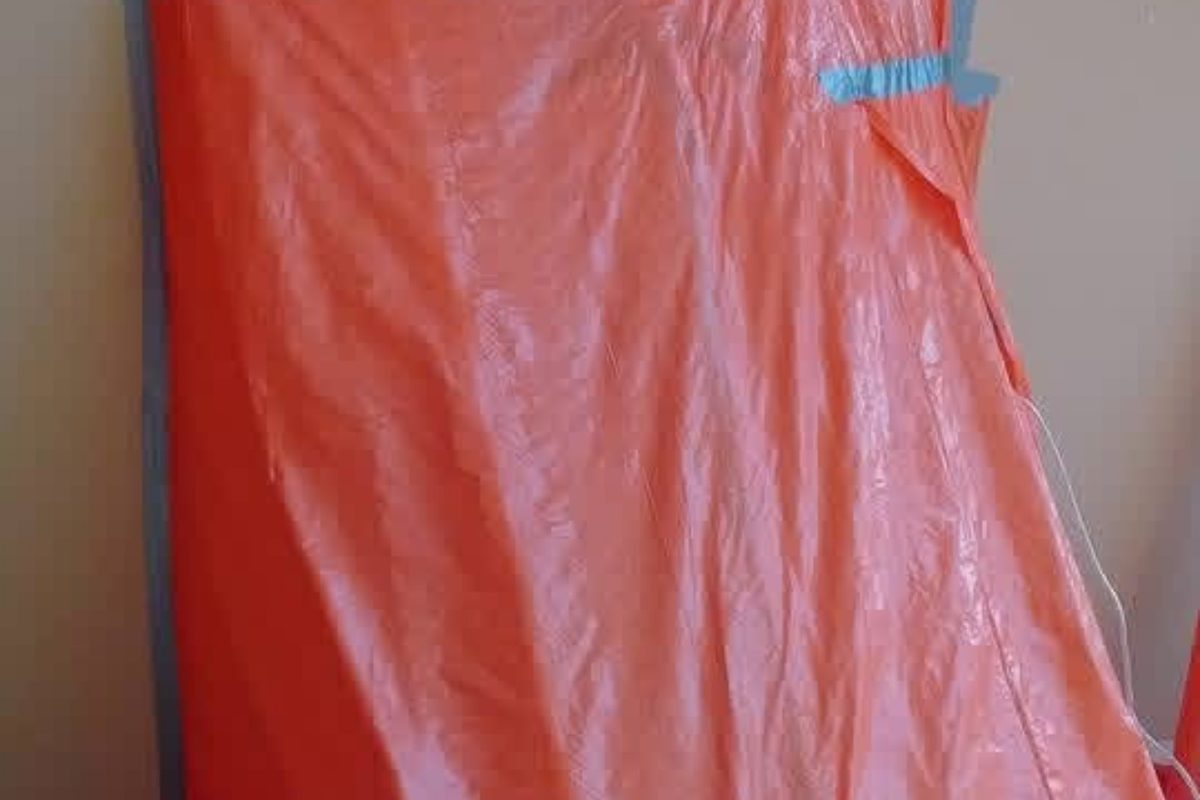
Doorways, windows, vents and returns are sealed with poly and tape. The work area becomes a room within a room. Anyone going in passes through a decontamination point, and nothing comes out unbagged. This step is the one that gets skipped when a quote is suspiciously low, and it is the one that decides whether the rest of your house is clean at the end.
3. Negative air runs the whole job.
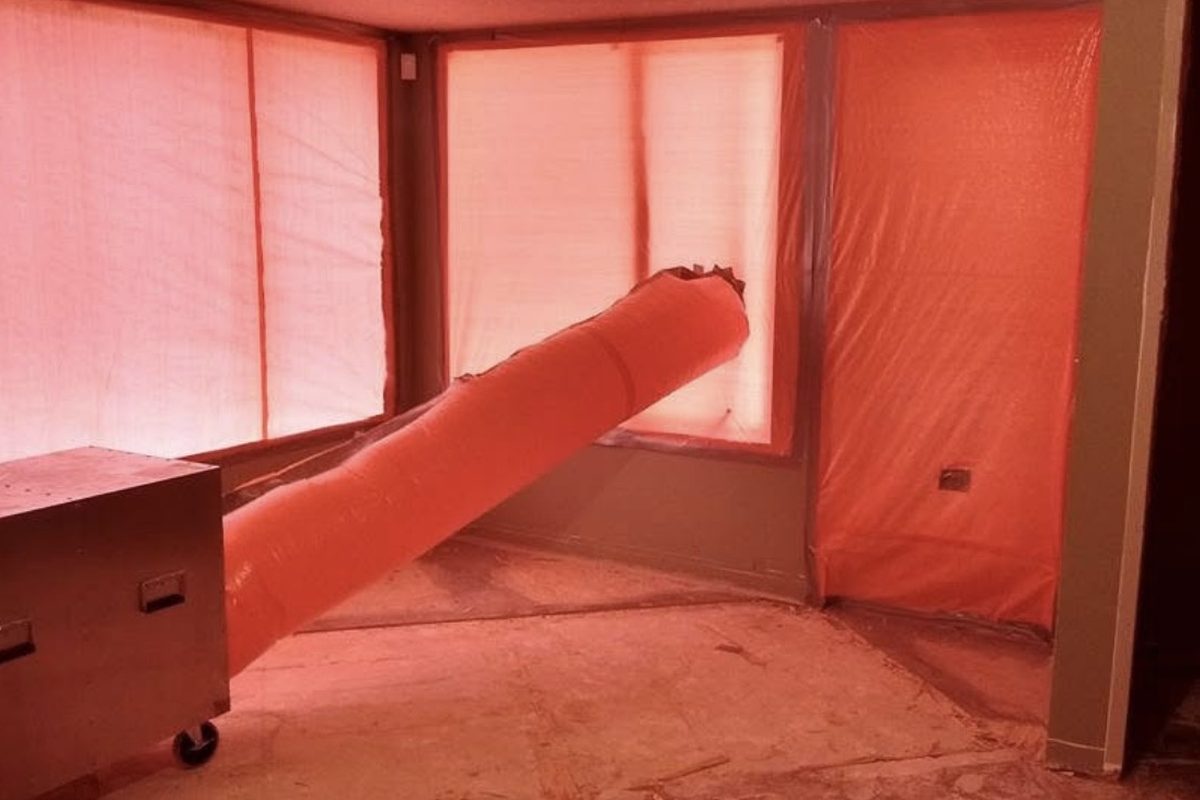
A HEPA-filtered negative-air machine draws air out of the containment continuously. Air moves in, through the filter, and out — never the other way. It runs from before the first piece comes down until after the clearance test, and it is the difference between a contained job and a house full of dust that looks clean.
4. Wet removal, bagged as we go.
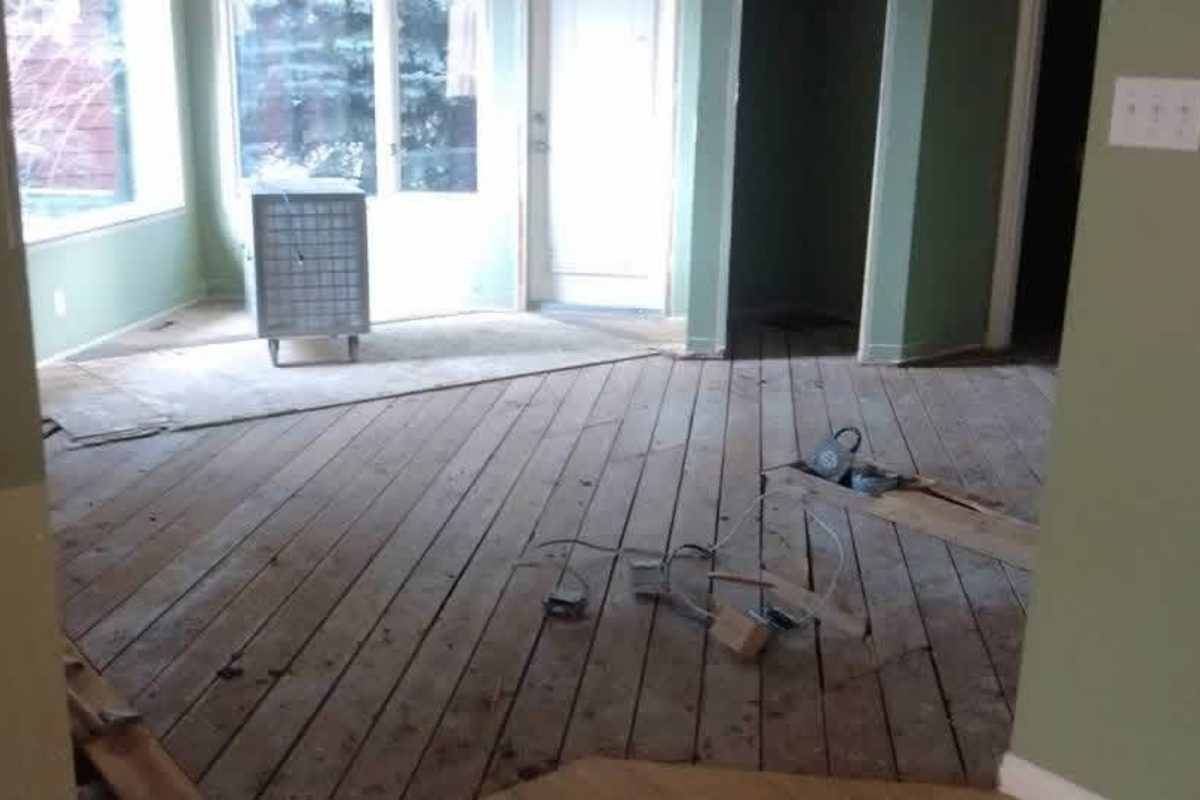
The material is kept wet so it cannot release fibres as it comes down. It is removed in pieces, not smashed, and goes straight into labelled bags inside the containment. Nothing is dry-scraped, swept or vacuumed with anything other than a HEPA vacuum. This is slower than the way it is sometimes done, and that is the point.
5. Where the job includes demolition, it happens inside the same containment.
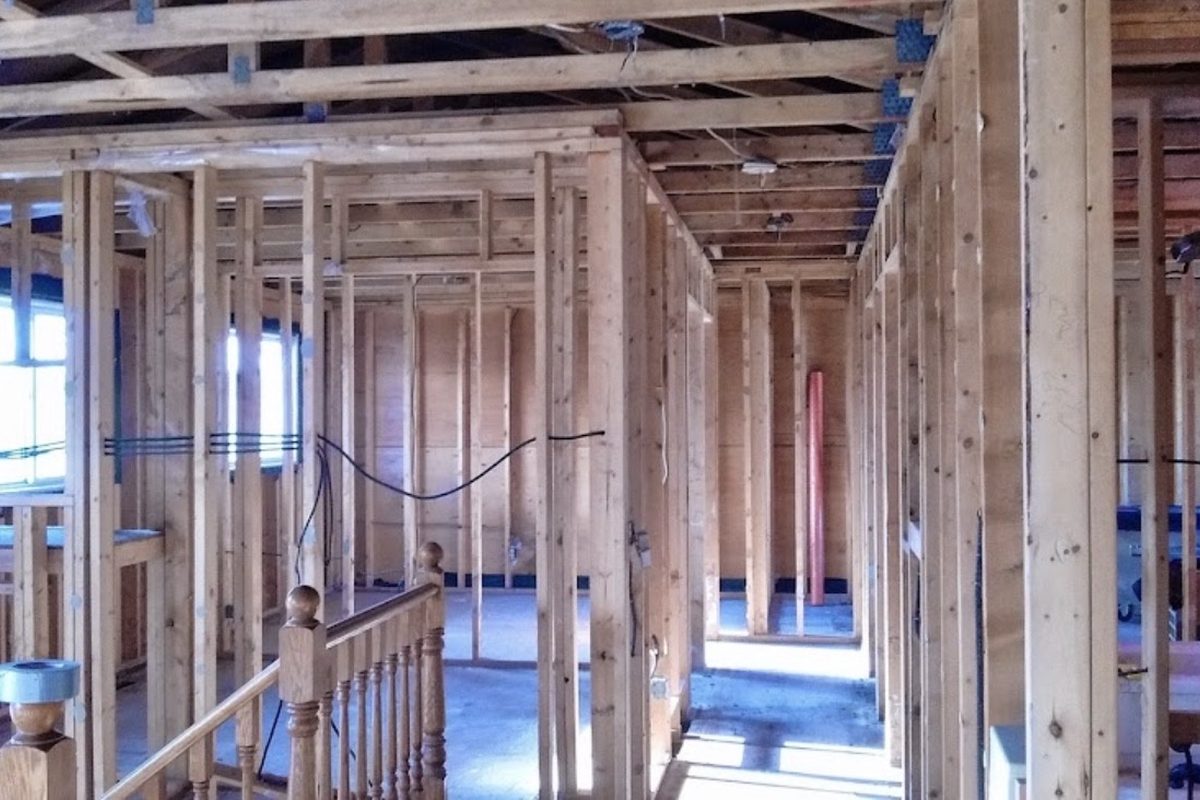
A lot of our work is a strip-out as well as a removal. When the ceiling texture or the joint compound is positive, the drywall comes down under the same poly, with the same negative air, and the framing is left ready for the next trade. One contractor, one containment, one clearance at the end.
6. Waste: labelled, sealed, manifested.
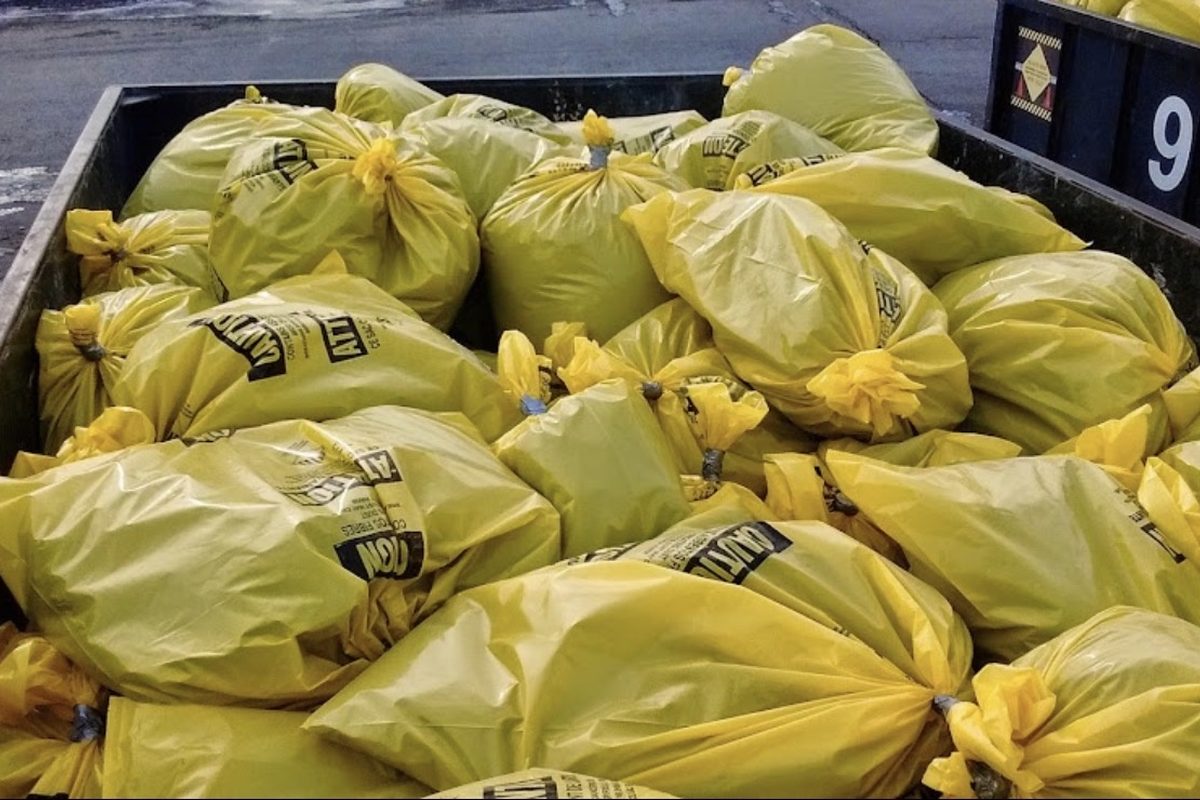
Everything that comes out is double-bagged in labelled 6-mil bags, sealed, and delivered to Shepard Landfill by appointment under a City of Calgary Industrial Waste Permit. You receive the manifest and the weight ticket. That is your proof, for the sale, the permit, or the day someone asks. Where the waste goes, and why it matters.
7. What is underneath gets its own sample.
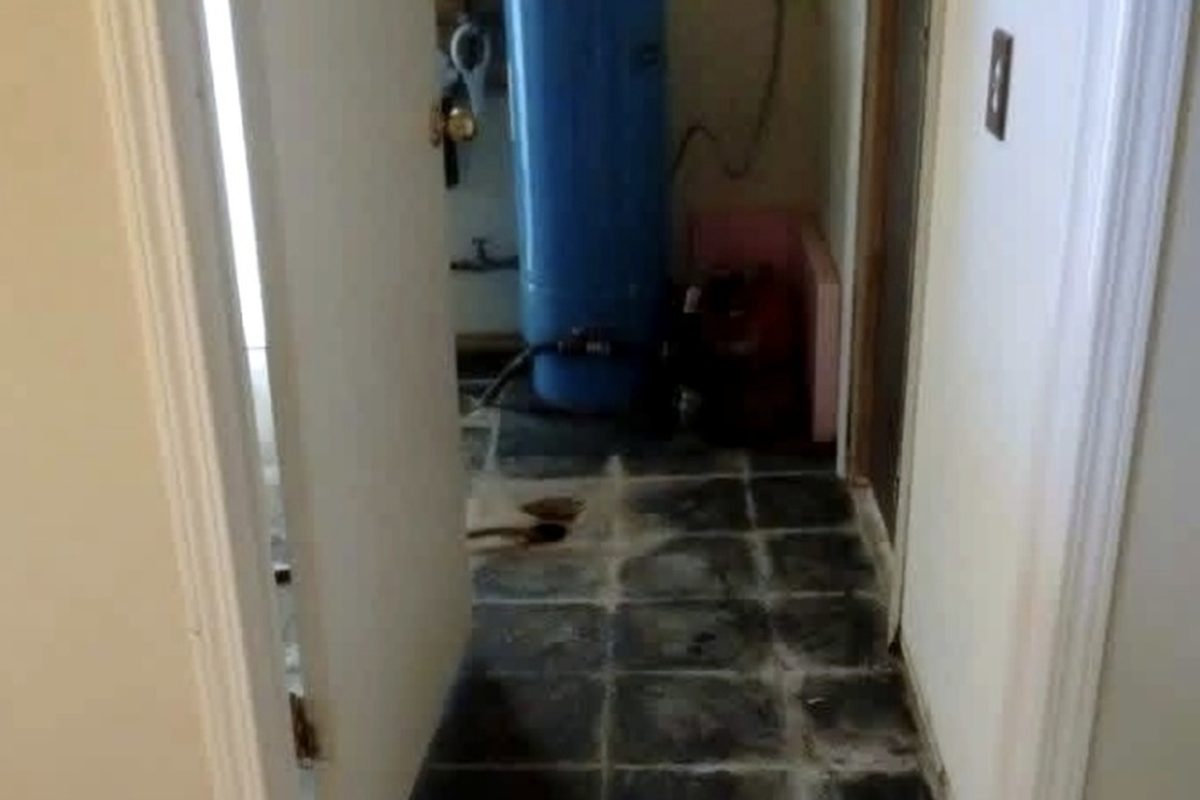
Older homes are layers. Carpet over tile, tile over tile, texture over plaster. Each layer is a separate material and gets its own sample before it is disturbed. Old 9×9 tile and the black mastic under it are the classic surprise under a carpet, and finding out mid-job is how a one-day removal turns into a three-day one.
8. Cleaned, tested, cleared, handed over.
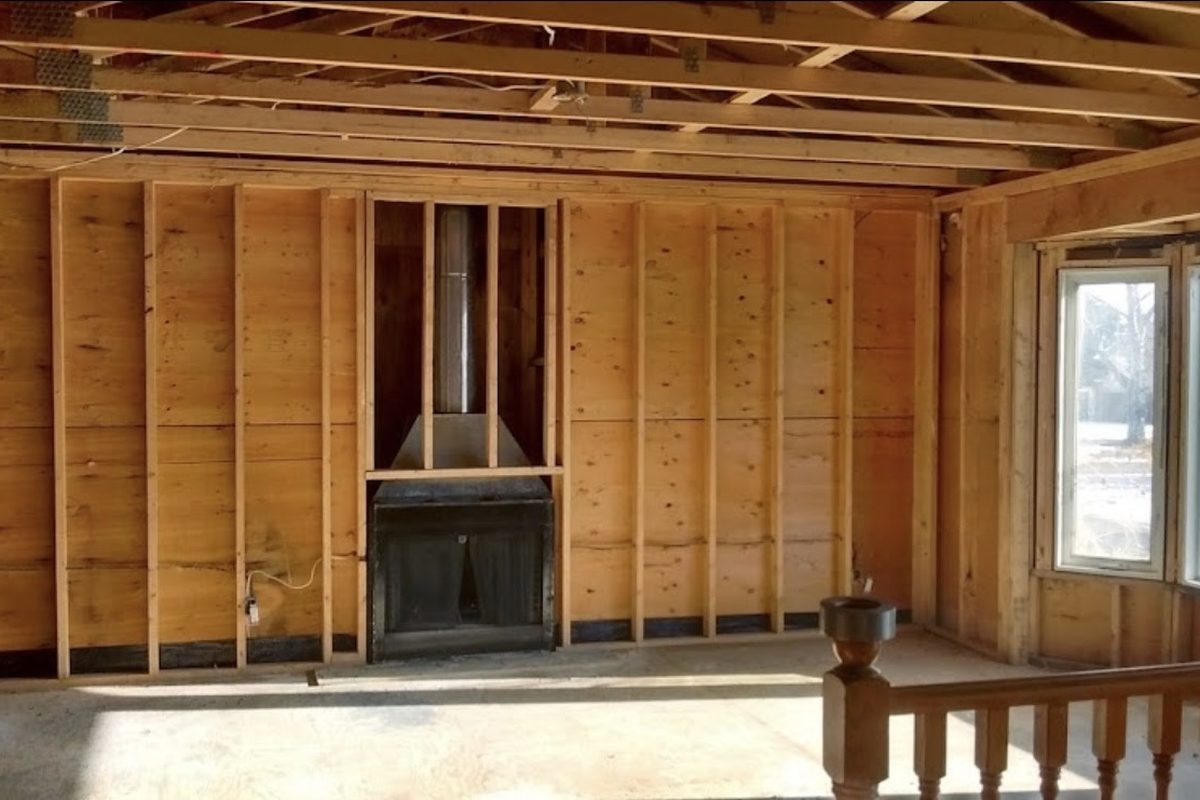
Every surface is HEPA-vacuumed and wet-wiped. An independent clearance test confirms the air is clean. Only then does the poly come down. You get the lab report, the clearance result, the manifest and the weight ticket, and your renovation contractor gets a shell that is safe to work in.
What to take from this
Ask any contractor quoting your job to walk you through these eight steps. Not in general terms — for your house. Which materials are being sampled, where the containment line will be, whether negative air runs for the whole job, where the waste is going and what paperwork you get back. A contractor who does the work this way can answer in a minute. One who cannot is the reason this page exists.
Prices for testing and removal are on the pricing page. To get started, book a sampling visit online or call (403) 477-2281.
Keep reading
I Found Asbestos in My House. What Do I Do Now?
Nothing, for the next ten minutes — then five things in order. Intact asbestos is not an emergency. Disturbed asbestos needs a plan, not a shop vac.
Where Does Asbestos Go in Calgary?
One landfill takes it, the packaging rules are strict, and yes — a resident can drive it there. What that actually involves, and why most people don’t.
Asbestos Removal Cost in Calgary: 2026 Guide
The short answer: it depends on what the material is, how much there is, and how hard it is to contain. Here's how the pricing actually works.
Need help now?
Speak with Aden Integrated Services Ltd about your project.