
Asbestos removal & abatement in Calgary
Asbestos was used for decades in Calgary homes and buildings, and it has to be removed safely before renovation or demolition can continue.
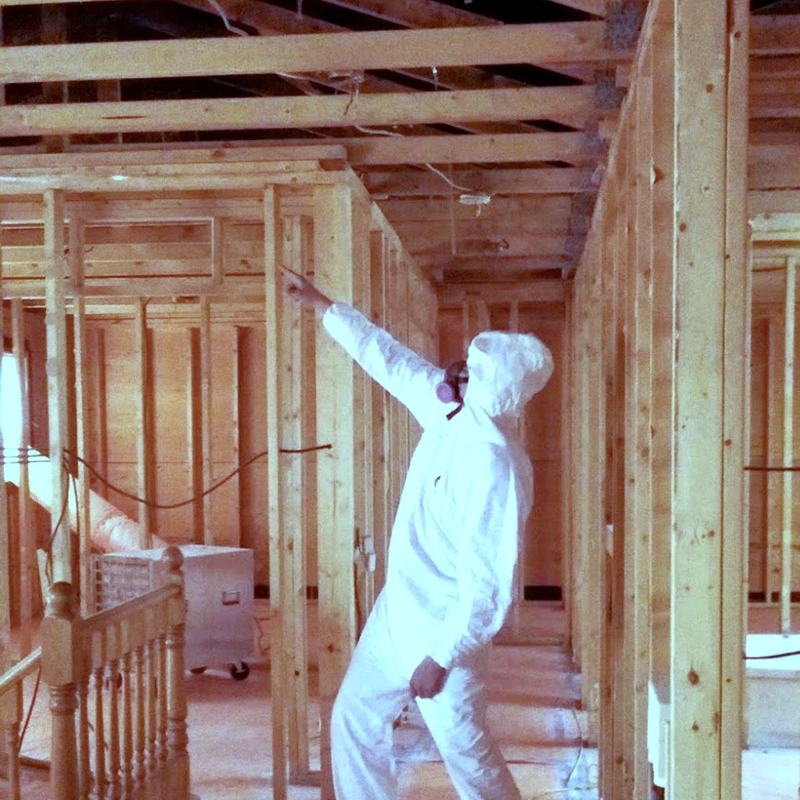
Asbestos-containing materials still turn up regularly in Calgary-area properties. If your home or building was constructed or renovated before the mid-1990s, asbestos may be present in flooring and tile adhesive, textured “popcorn” ceilings, drywall joint compound, pipe and duct insulation, vermiculite attic insulation, exterior stucco, and cement board. None of these are a problem while intact — but the moment a renovation, demolition, or fire or water loss disturbs them, fibres can go airborne, and everything stops until the material is safely removed.
We take on residential, commercial and industrial abatement — a single bungalow attic, a restaurant strip-out, or the pipe and boiler insulation in a mechanical room — under the same containment standard and the same Alberta OHS notification, air monitoring and disposal requirements.
Our abatement process
1. Testing and scope. If the material hasn't been tested, we collect samples and have them analyzed by an accredited lab as part of our asbestos testing service. You get a written report identifying exactly what contains asbestos and what doesn't — so you only pay to abate what actually needs it.
2. Notification and setup. Alberta occupational health and safety rules require advance notification before asbestos abatement begins. We file it, then seal the work area with poly containment and establish negative air pressure so no fibres escape into the rest of the building.
3. Controlled removal. Our certified crew removes the material under controlled conditions using HEPA-filtered equipment, wetting methods, and sealed disposal bags. Waste is transported to an approved facility.
4. Clearance and documentation. After removal, the area is HEPA-vacuumed and wiped down. You receive the documentation your renovation, real-estate transaction, or insurance claim requires — including disposal records.
What asbestos removal in Calgary actually looks like
Thirty seconds, no sound needed: the six steps above, on one of our own jobs.
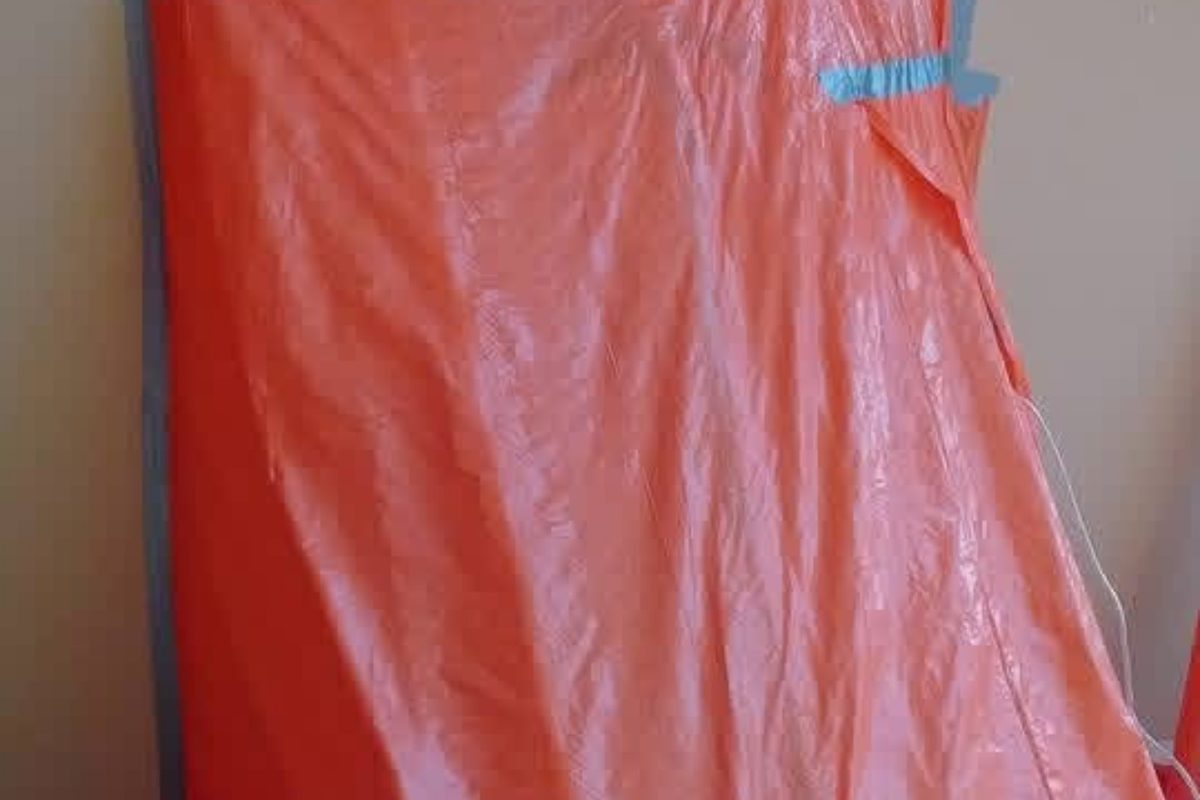
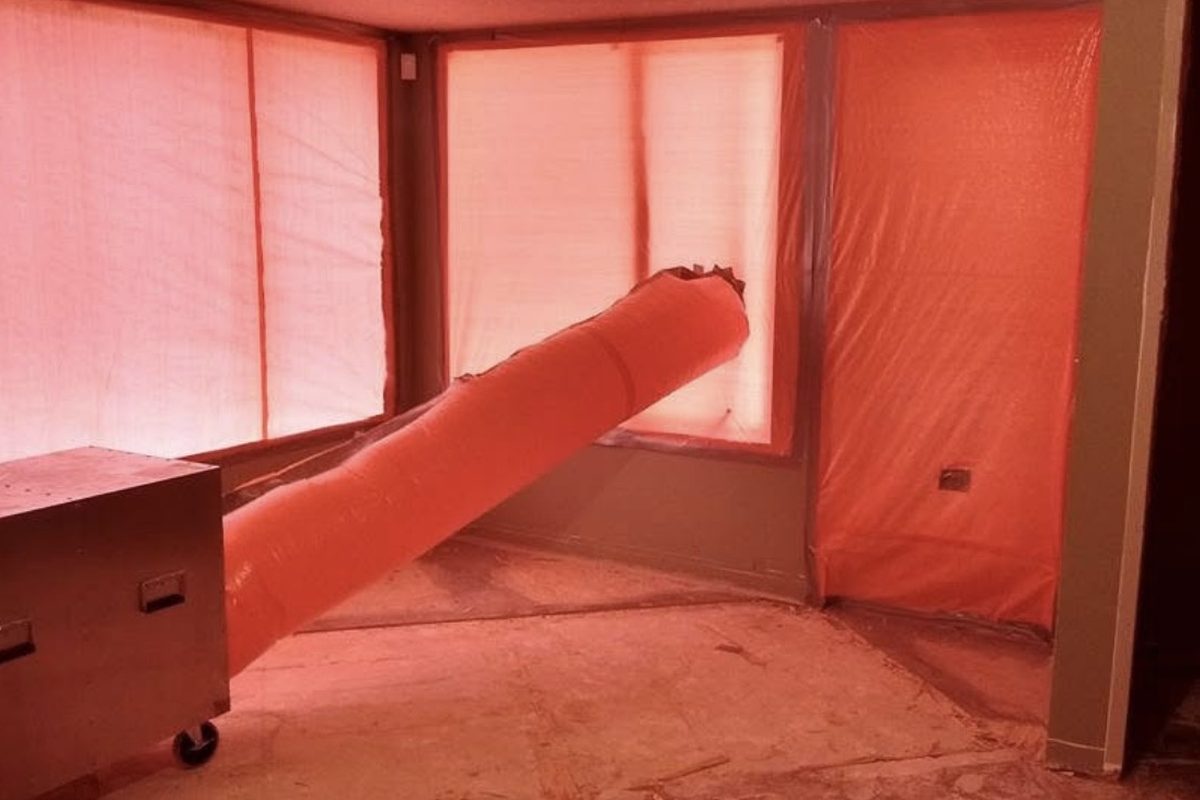
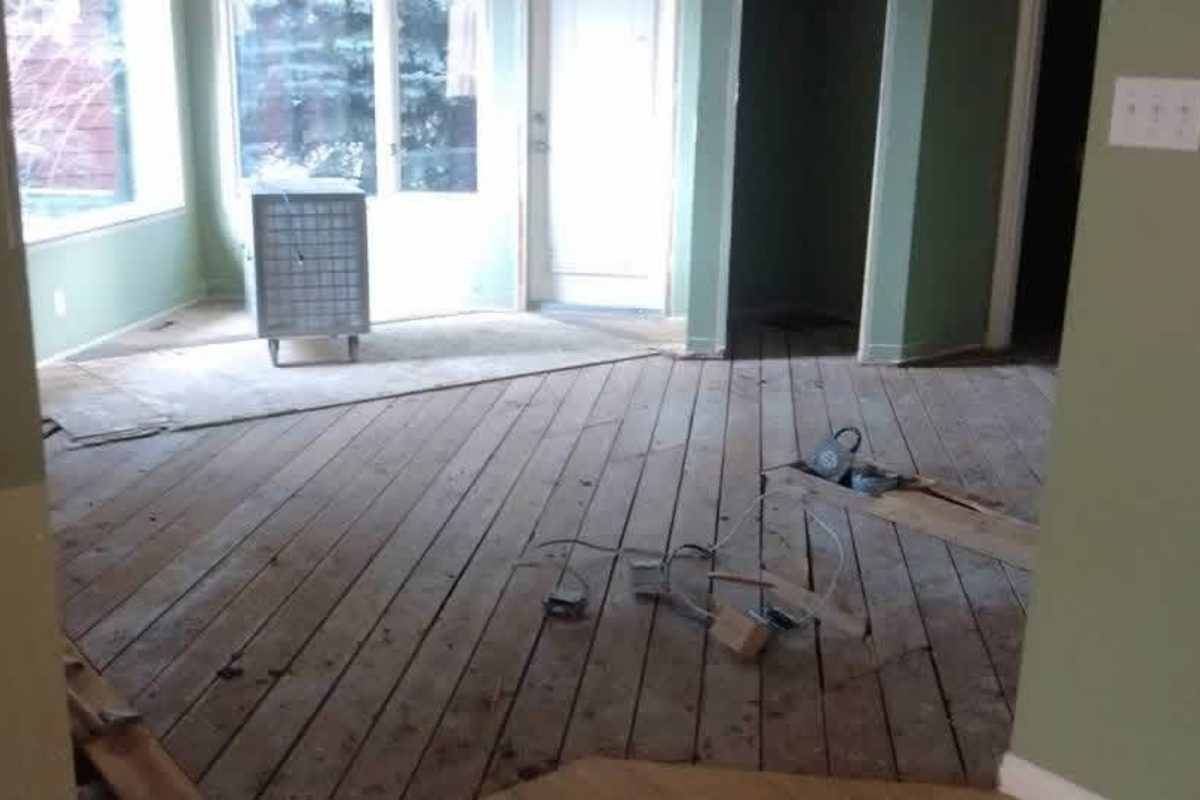
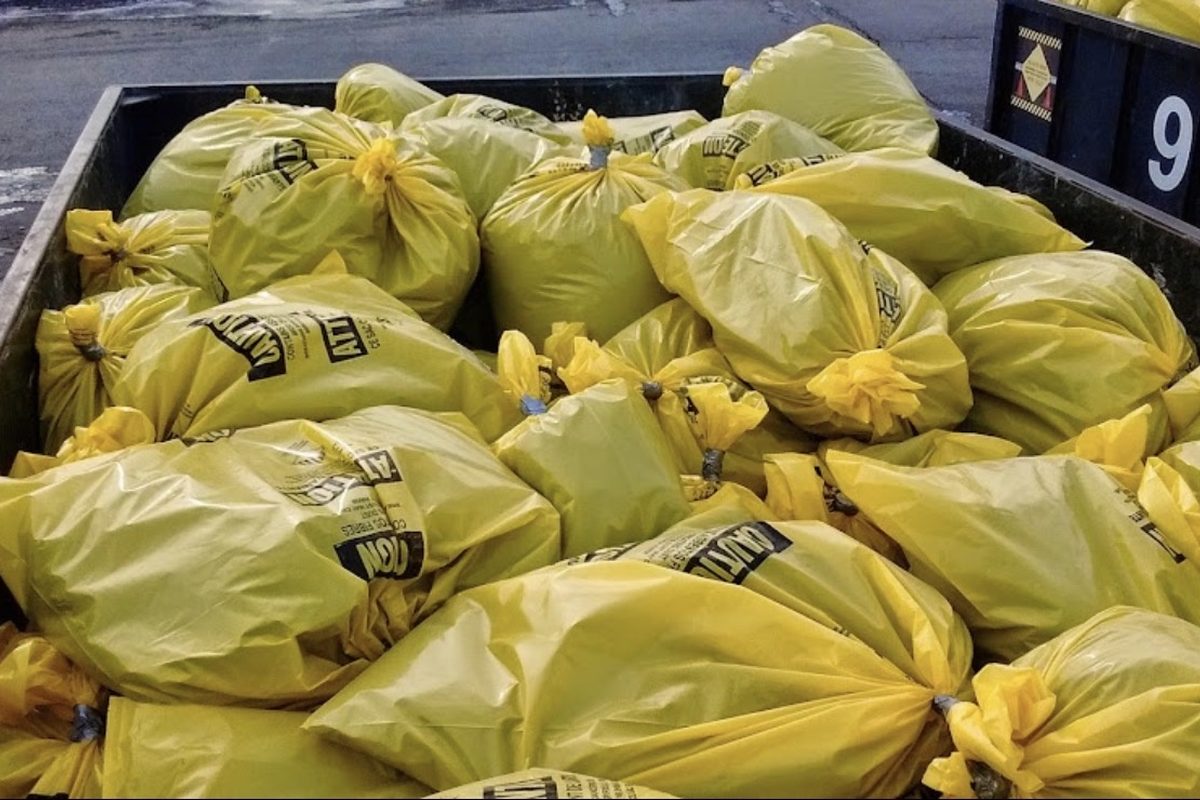
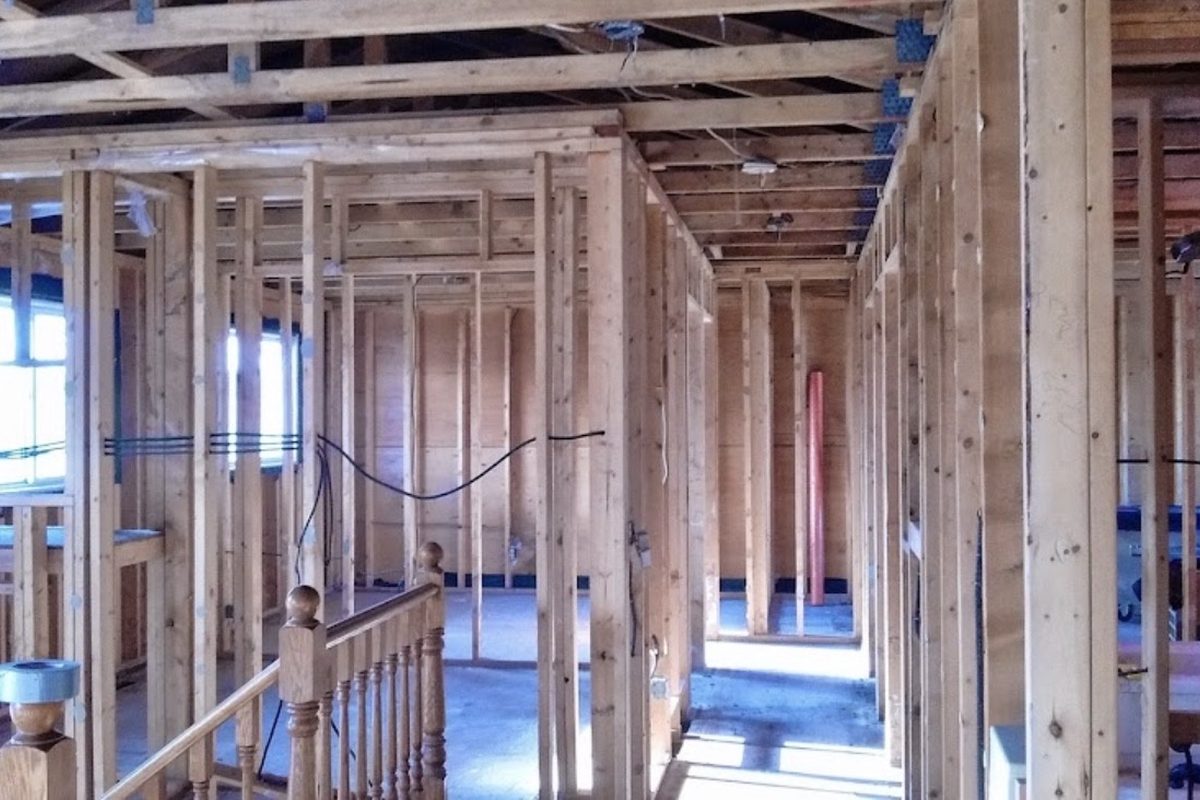
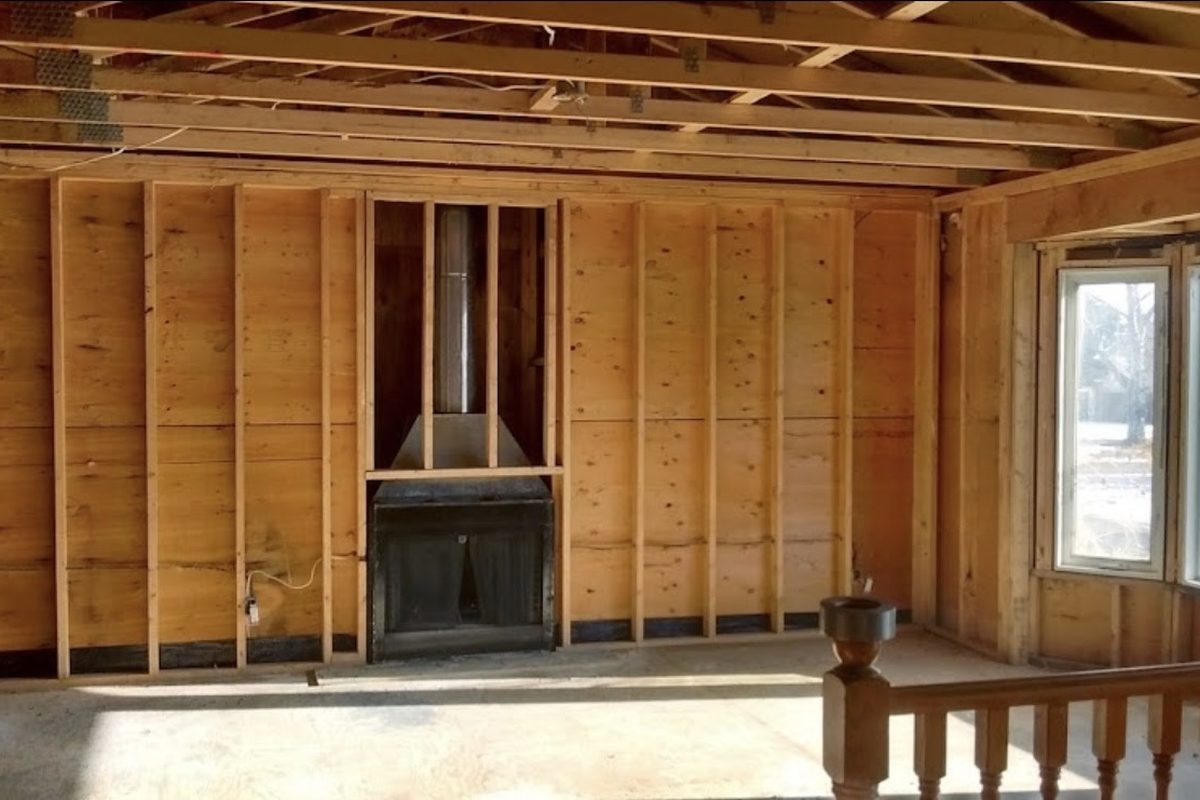
Photographs from our own jobs, not stock. The full walk-through with more detail is in asbestos removal, step by step.
When you need asbestos removal
- Before renovating or demolishing any structure built before the 1990s
- After fire or water damage disturbs older drywall, flooring, or insulation
- When a home inspection, pre-purchase assessment, or lab test flags asbestos-containing materials
- Before popcorn ceiling removal or attic insulation upgrades in older homes
Alberta’s risk levels — and why you may have heard “Type 1, 2 and 3”
If you have worked in Ontario, or your contractor learned the trade there, you will know asbestos work as Type 1, Type 2 and Type 3. That is Ontario’s system. Alberta does not use it. Here, the Alberta Asbestos Abatement Manual and the OHS Code classify work as low, moderate or high risk, and the classification decides the containment, the respirator and the notification.
The two systems line up roughly, but not exactly — Alberta classifies by how much fibre the work is likely to release, not by the material alone:
- Low risk is small-scale work on non-friable material with wet methods and good controls — broadly what Ontario would call Type 1. Half-face P100 respirator minimum.
- Moderate risk covers larger non-friable removals and some friable work under controls — broadly Ontario’s Type 2. Full-face or powered respirator, and enclosure of the work area.
- High risk is friable material, vermiculite, sprayed fireproofing and large-scale removals — broadly Ontario’s Type 3. Full negative-pressure containment, three-stage decontamination, a tight-fitting powered respirator at minimum, and clearance air testing before the walls come down.
The practical point for anyone hiring in Alberta: ask which risk level a contractor has assessed the job at, and what containment that requires. A quote that does not name the risk level has not been scoped properly. Whatever the level, Alberta OHS must be notified at least 72 hours before work that could release fibres, and only workers holding a valid asbestos worker certificate may enter a restricted area.
Removal, abatement or remediation — three names, one job
Asbestos remediation, asbestos abatement and asbestos removal all describe the same regulated work: contain the material, take it out wet, bag and manifest it, and have the area cleared by an independent test. Whether you searched for an abatement company, abatement services or an asbestos removal contractor in Calgary, this is the service. We take residential and commercial asbestos abatement, and because we answer the phone 24/7 we also take emergency asbestos removal — a ceiling that came down, a wall opened mid-renovation, material disturbed by a flood or a fire — where the first job is to stop the spread before anything else.
Materials we remove
Drywall joint compound is the one people miss, and it has its own page: asbestos drywall removal explains why a positive seam sample means the whole wall assembly is treated as asbestos-containing.
Asbestos was not one product. It went into dozens of building materials, and what your project disturbs decides the scope and the price:
- Vermiculite attic insulation — loose grey-brown pellets, often sold as Zonolite. More on vermiculite.
- Popcorn, stipple and textured ceilings, and the joint compound behind them. More on ceilings.
- Floor tile, sheet flooring and black mastic — 9-inch tile above all, plus old linoleum and its backing. More on flooring.
- Asbestos-cement siding, soffit and stucco — common on Calgary bungalows from the 1950s and 60s. Brittle, and it breaks rather than bends, so it cannot simply be pried off. A typical bungalow runs $6,000 to $12,000 depending on storeys, access and whether scaffold is needed.
- Cement board and transite — flue pipe, panelling and utility board.
- Drywall and joint compound, where the compound rather than the board carries it. Asbestos drywall removal is done wet, wall by wall, inside containment, and the studs are HEPA-vacuumed before the clearance test.
- Pipe insulation, duct wrap and boiler lagging — the friable materials, and the ones most likely to be releasing fibres already if they are damaged.
- Furnace and mechanical room components, including gaskets, flue tape and old heat shields.
Not sure which of these you have? Testing settles it before you commit to anything, and our published prices cover the common ones.
Asbestos drywall removal, illustrated
Illustrated explainer, no sound needed — an animation of our method, not footage of one particular job. For photographs of our own work, see a job step by step.
Why one team matters
Most abatement jobs don't end at abatement. The reason clients call us instead of a specialist is that we handle what comes next — demolition, restoration, and final cleaning — without you coordinating a second and third contractor. The containment comes down and the rebuild starts the same week.
Where we work
We provide asbestos removal across Calgary and the surrounding communities, including Calgary, Airdrie, Cochrane, Okotoks, Chestermere, Strathmore, High River, Red Deer.
Related reading
Frequently asked questions
How much does asbestos removal cost in Calgary?
It depends on the material, the area and the containment it needs, which is why we publish price ranges instead of a single number. Popcorn ceilings, floor tile and vermiculite each have their own range on our pricing page, and testing is a fixed price. Every job gets a written, itemized quote before any work starts, and the number on the quote is the number on the invoice.
How long does asbestos removal take?
A single popcorn ceiling or a bathroom floor is usually one to two days including setup and clearance. A whole-house strip-out before a renovation is typically three to five weeks. Alberta OHS requires 72 hours’ notice before regulated work starts, so the earliest start on any job is three working days after you say go.
Do you do asbestos abatement near me?
Yes. We are a Calgary abatement company working across the city and the surrounding communities — Airdrie, Crossfield, Cochrane, Canmore, Okotoks, Chestermere, Strathmore, High River, and the Red Deer area including Innisfail and Sylvan Lake — with travel priced into the written quote rather than added afterwards. If you searched for abatement services near me from any of those, that is us.
Is this Type 1, Type 2 or Type 3 asbestos work?
Those are Ontario's categories. Alberta uses low, moderate and high risk, set out in the Alberta Asbestos Abatement Manual and the OHS Code. They line up roughly — Type 1 with low risk, Type 2 with moderate, Type 3 with high — but Alberta classifies by how much fibre the work is likely to release rather than by the material alone, so the match is not exact. We will tell you the risk level we have assessed your job at and what containment it requires before you commit to anything.
How do I know if my home has asbestos?
If your home was built or renovated before the mid-1990s, materials like flooring adhesive, textured ceilings, pipe insulation, vermiculite attic insulation, and drywall joint compound may contain asbestos. The only way to confirm is lab testing of a sample — we can collect and test samples before any work begins.
Is asbestos dangerous if it isn't disturbed?
Intact, undisturbed asbestos materials generally pose little risk. The danger comes when materials are cut, sanded, broken, or damaged — during renovations, demolition, or water and fire damage — releasing fibres into the air. That's why testing before any renovation of an older home matters.
How much does asbestos removal cost in Calgary?
Cost depends on the material, the amount, and how contained the area is. Small, accessible jobs may cost a few hundred dollars, while whole-home abatement of multiple materials costs more. We provide free estimates so you know the price before work starts.
Is your asbestos work compliant with Alberta regulations?
Yes. Our abatement follows Alberta occupational health and safety requirements, including advance project notifications, proper containment, negative air with HEPA filtration, controlled removal, and the documentation your project and insurer require.
Want to see it rather than read it? What happens on an asbestos removal job, step by step — eight photographs from our own work.
One call covers it all
Asbestos Testing
Before you renovate, demolish, or buy an older property, know exactly what's in it — lab-verified testing with fast results.
Vermiculite Removal
Vermiculite attic insulation often contains asbestos. We test it, remove it safely, and document everything.
Popcorn Ceiling Removal
Textured ceilings installed before the 1990s often contain asbestos. We test, remove safely, and finish smooth.
Need help now?
Speak with Aden Integrated Services Ltd about your project.